Facebook
 X
X
 Pinterest
 Copy Link
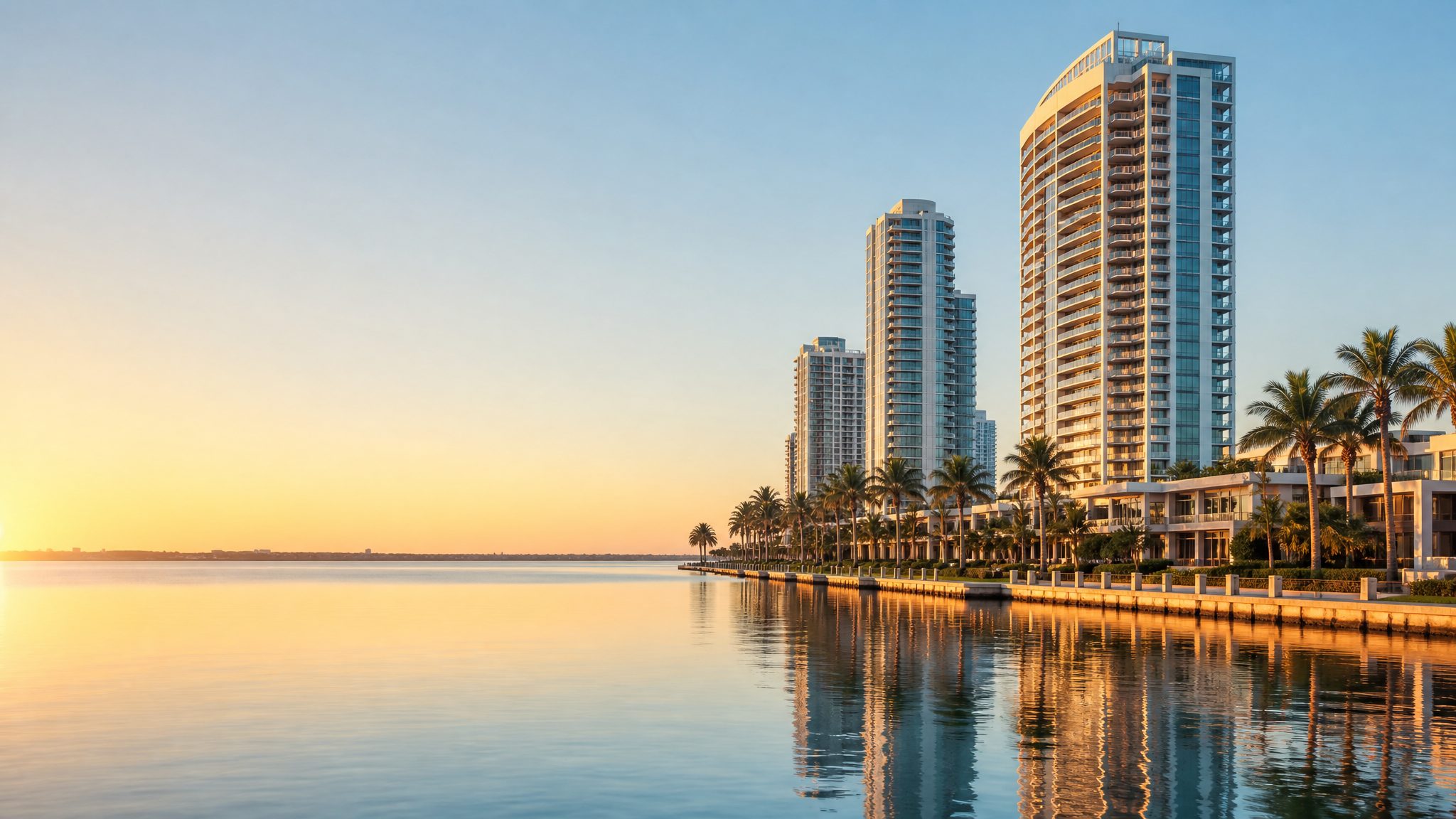
South Florida’s real estate market continues to evolve in 2026. After years of exceptionally rapid appreciation and intense competition, many areas are moving toward a more balanced environment. That does not mean every neighborhood or property type is performing the same way—but it does mean buyers and sellers should make decisions based on current, local data rather than yesterday’s headlines.
For buyers, increased inventory can create more choice and more room for careful negotiation. A well-priced property in a desirable location can still attract strong interest, but buyers may have greater opportunity to compare homes, request appropriate inspections, and negotiate terms that fit their needs.
For sellers, presentation and pricing remain essential. Homes that are updated, accurately priced, professionally marketed, and positioned for their target audience are more likely to stand out. Overpricing can lead to longer market times and later price adjustments, especially where buyers have more alternatives.
Condominiums deserve particular attention. Association budgets, reserve requirements, maintenance needs, insurance costs, and building-specific disclosures can all affect affordability and buyer demand. Single-family homes, luxury properties, waterfront homes, and investment properties each have their own market dynamics as well.
The best question is not simply, “Is it a buyer’s market or a seller’s market?” Instead, ask: What is happening with comparable homes in this neighborhood, in this price range, right now?
South Florida remains a major destination for lifestyle-driven buyers, entrepreneurs, retirees, and remote professionals. A recent Miami Realtors report valued the region’s housing market at approximately $1.6 trillion, illustrating the scale and long-term importance of local real estate.
Look for current pricing and inventory with us. Contact Our Team Here !